
The indian restaurants in the USA, indian food in American cities, modern indian restaurants, indian restaurants Orlando, indian food in Winter Park, indian restaurants in Lake Nona, indian restaurants in Oviedo, indian cuisine popularity USA, best indian restaurants in America, indian dining in the USA, authentic indian food USA, indian food delivery USA, indian catering USA are changing at a faster pace than ever before. They combine tradition and modernity to satisfy the demands of modern diners. Authenticity remains central, and modern Indian dining is adapted to changing lifestyles, convenience in the realm of the Internet, awareness of health, and increased hospitality.
In America, Indian restaurants are redefining the way we experience Indian cuisine across cities big and small. Whether as casual lunch places or fancy evening outings, they provide an exciting, convenient, and modern experience, though not losing the cultural depth.
In thriving markets like Orlando and surrounding neighborhoods such as Winter Park, Lake Nona, and Oviedo, Indian restaurants are embracing innovation while staying rooted in tradition. Here’s how.
Embracing Technology: Online Ordering and Delivery Services
The American dining scene is premised on technology. Indian restaurants are now operating seamless digital systems that have increased convenience and accessibility.
Today, delivery and takeout are in the spotlight, rather than in the background. Many restaurants now offer:
Online order platforms with mobile functionality.
Web-based ordering with menu customization.
Third-party delivery alliances.
Cashless systems of payment.
Such developments allow guests searching for Indian restaurants in Orlando and other regions to have home-cooked meals without sacrificing quality.
Convenience is an important aspect of many diners that hold importance as flavour. Technology is used by restaurants to build more loyalty and reach more customers
Fusion Flavors: Blending Traditional and Contemporary Dishes
One of the most exciting developments in modern Indian dining is the growth of fusion Indian food. Chefs are creatively reinterpreting traditional recipes with global influences, appealing to younger and more adventurous audiences.
Innovations in the menu usually include:
Indo‑Chinese specialties
Contemporary small plates
Modern plating styles
Creative rediscoveries of traditional curries.
Fusion does not take over authenticity; it adds to it. Visitors continue to experience traditional North and South Indian dishes as well as taste adventurous, modern ones.
The balance makes Indian cuisine new, current, and adventurous in the competitive urban cuisines.
Catering to Customized and Plant-Based Diets
The trends of plant-based diets have transformed American dining. Luckily, Indian food by itself is conducive to a plant-based diet and dietary freedom.
There are numerous Indian restaurants in the USA where vegetarian and vegan meals are extensive and are based on lentils, chickpeas, vegetables, and rice.
Gluten-free visitors are welcome to eat gluten-free dishes such as dosa, rice bowls, and various curry recipes, which are made naturally without using wheat.
The bonus is the flexibility of the cuisine:
Plant proteins are not competitors, but they support them.
Spice levels are adjustable.
Portions can be tailored.
It is usually possible to make dairy-free versions.
This inclusion makes the overall Indian dining experience better, particularly in family and mixed-diet categories.
Modern Restaurant Interiors and Ambiance
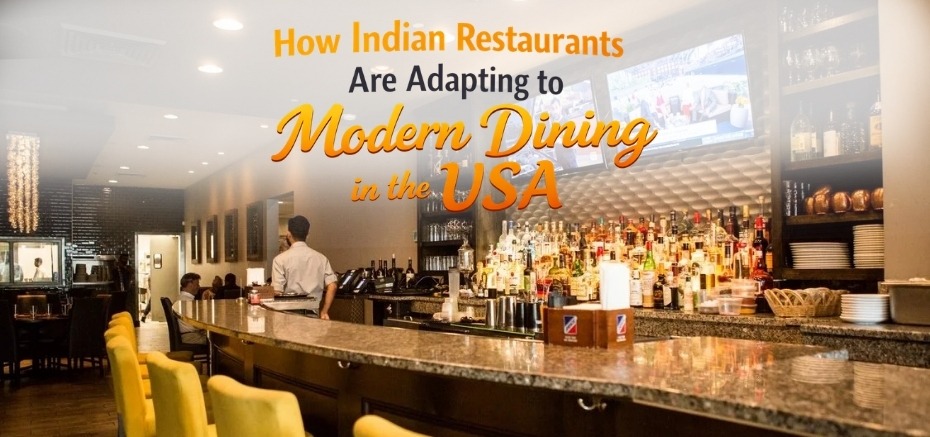
The evolution of casual and fine dining Indian establishments extends beyond the kitchen. Today’s restaurants prioritize ambiance, design, and atmosphere to match contemporary expectations.
The contemporary Indian restaurant areas look like:
The lighting is warm and sophisticated.
Clean, contemporary décor.
Filtered music and sophisticated seating plans.
High standards of presentation.
At places such as Indian Dining Winter Park and Indian Food Lake Nona, the guests are anticipating a total sensory experience and not just a meal.
Indian restaurants are becoming the perfect date venue, business occasion, and celebration venue by investing in design and hospitality training and positioning themselves as the ideal establishment.
Interactive and Customizable Dining Experiences
Dining is now more about personalization, and Indian food best fits this trend. The guests have an opportunity to customize spices, select proteins, and combine various dishes to share a meal, attracting both seasoned and first-time Indian food lovers.
Additionally, fast casual Indian restaurants are growing in popularity by offering:
Build-your-own bowls
Streamlined lunch menus
Efficient service models
Transparent ingredient displays
Indian cuisine is made accessible through customization and lets guests to create dishes to their comfort zone.
Sustainability and Locally Sourced Ingredients
Sustainability is increasingly important to modern consumers. Many Indian restaurants in America are responding with environmentally conscious practices.
The concept of sustainability is becoming important to modern consumers. Many Indian restaurants in America have responded by becoming eco-friendly.
These efforts include:
Sourcing fresh, local produce when possible
Reducing food waste through efficient prep systems
Using eco-friendly packaging for takeout
Supporting regional suppliers
Restaurants that prioritize sustainability strengthen community trust and long-term brand loyalty.
All these efforts demonstrate a wider responsible growth, but without destroying authentic flavours. As restaurants become more focused on sustainability, they establish long-term brand loyalty and community trust.
How Indian Restaurants Are Engaging with the Community
On top of food and decor, community involvement is significant for modern success.
Indian restaurants in such neighborhoods as Oviedo and other rising Florida communities often attend cultural festivals, sponsor community events, and have their own celebrations.
Catering also broadens their coverage, enabling restaurants to cater to weddings, corporate events, and milestone birthdays.
Others like Tabla Indian Restaurant demonstrate how cultural cuisine and community engagement help to form a relationship over time. The Indian restaurants are no longer merely a restaurant but a representative of a cultural goal in their cities. Ready for a Modern Indian Dining Experience | Book on OpenTable
Conclusion
The history of changing Indian restaurants in the USA is a wider change in American cuisine. Indian restaurants remain alive by adopting technology, integrating fusion Indian cuisine, interior modernisation, promoting plant-based diets, and interacting with communities.
Modern Indian restaurants located in areas such as Orlando, in colorful restaurant communities, such as Winter Park, Lake Nona, or Oviedo, show that tradition and innovation can go hand in hand.
With the desire to get authenticity and convenience, Indian food is in a distinct category because it is abundant in heritage, flexible in form, and fits the future of dining in America.
FAQs
Q1. What are the changes occurring in Indian restaurants concerning modern food habits?
Online ordering, delivery systems, menu development, and modern interior design are becoming a part of the stores of Indian restaurants. They strike a balance between traditional recipes and fusion innovativeness, and customizable food to suit changing consumer demands.
Q2. Are Indian restaurants offering more vegan and vegetarian options?
Yes. Indian cuisine naturally includes many plant-based dishes such as lentil curries, vegetable preparations, and rice-based meals. Modern Indian restaurants often expand these selections and clearly identify vegan and vegetarian options on their menus.
Q3. Are Indian restaurants becoming more vegan and vegetarian?
Yes. Indian cuisine is already very diverse, with the presence of a diversity of plant foods: lentil curries, vegetable roast, rice dishes, and so on. Indian restaurants of today are including more of these choices and explicitly marking vegan and vegetarian options on their menu.
Q4. What is the purpose of using technology with regard to the Indian restaurant?
Online reservations, mobile orders, and smooth delivery are all being propelled by technology. Take-out and delivery have become a major aspect of the restaurant business, which allows a restaurant to reach more customers without sacrificing quality.
Q5. What is attracting younger and diverse audiences to Indian restaurants?
Restaurants combine classic tastes with fusion spins, free-digestion and interior, personalise meal options, and social media activity. These actions make Indian food feel novel and welcoming, yet with its roots.
Q6. Can traditional Indian restaurants stay relevant in the modern dining scene?
Yes. With the use of digital tools, a consistent approach to uncoded ingredients, and the incorporation of digital comfort, old-fashioned places can still have a career and be a significant segment of the modern dining experience.
Q7. Do modern Indian restaurants also emphasize catering and events?
Absolutely. Most Indian establishments provide services at weddings, business gatherings, and personal parties. The versatility of the Indian menus makes them perfect for serving a wide variety of people and large parties.